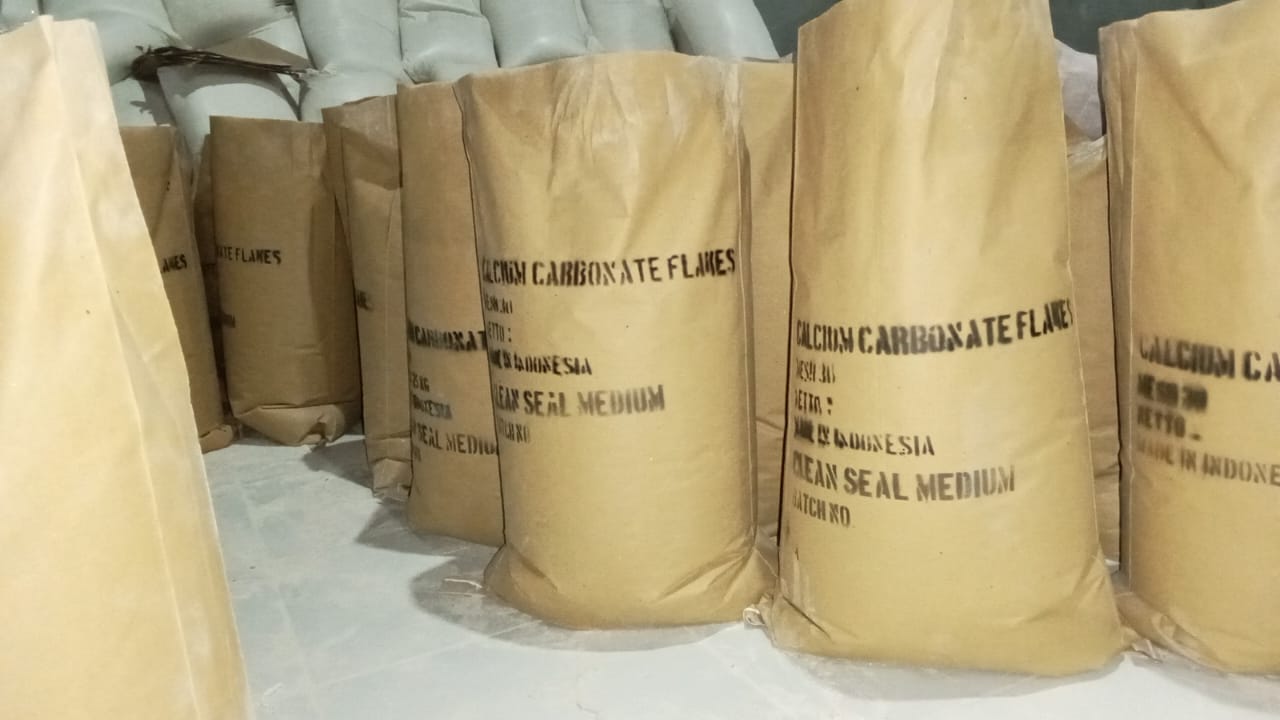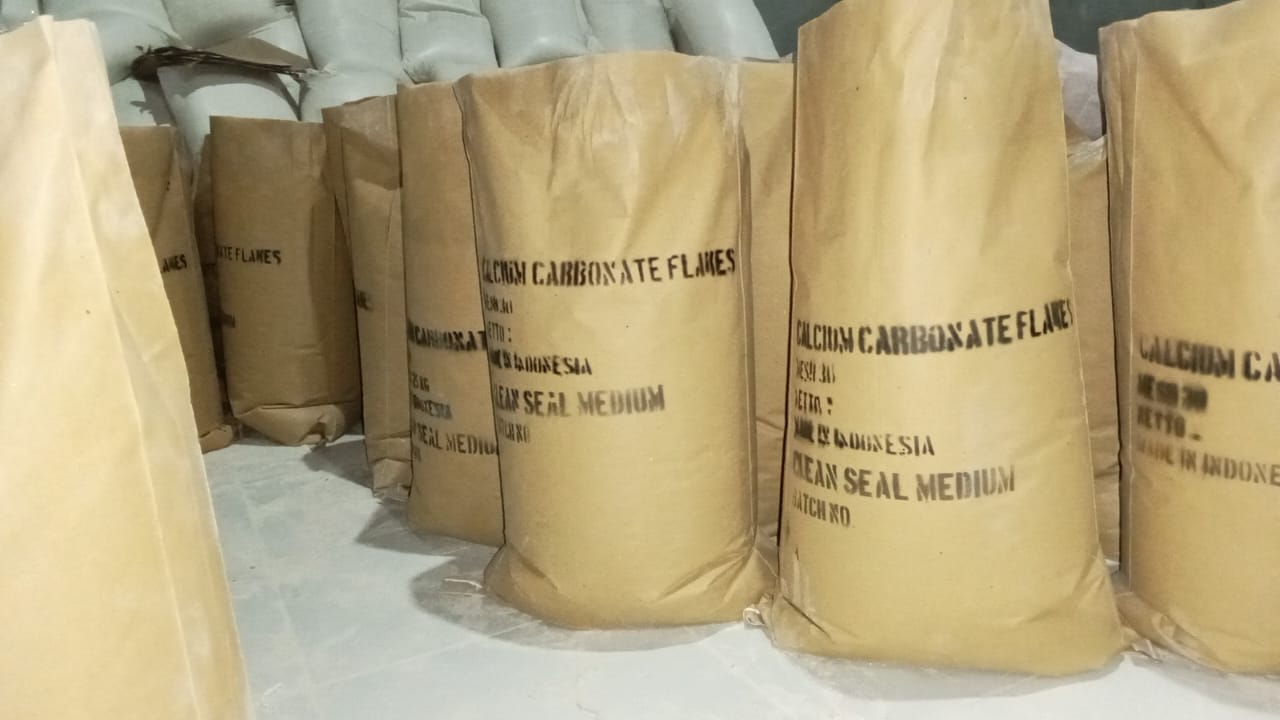
Calcium carbonate (CaCO₃), particularly Ground Calcium Carbonate (GCC), is one of the most widely used mineral fillers in the plastic industry. As manufacturers continue to seek cost efficiency, improved material performance, and optimized processing, calcium carbonate has become an essential additive in plastic compounding.
From PVC pipes and woven sacks to masterbatch and packaging films, calcium carbonate for plastics plays a critical role in enhancing both economic and technical performance.
Why Calcium Carbonate Is Used in Plastic Manufacturing
In plastic production, fillers are added to modify properties, reduce cost, and improve processing efficiency. Among all mineral fillers, calcium carbonate stands out due to its:
-
High availability
-
Competitive cost
-
Excellent brightness
-
Controlled particle size distribution
-
Compatibility with various polymer systems
Ground Calcium Carbonate (GCC) is particularly preferred because of its consistent quality and economic advantage.
4 Key Functions of Calcium Carbonate in the Plastic Industry
1. Cost Reduction in Plastic Production
One of the primary reasons manufacturers use calcium carbonate filler in plastic is to reduce raw material costs.
Plastic resins such as polyethylene (PE), polypropylene (PP), and PVC are significantly more expensive than mineral fillers. By partially replacing resin with CaCO₃, manufacturers can:
-
Lower overall production costs
-
Improve profit margins
-
Maintain product competitiveness
This makes calcium carbonate a strategic cost-control solution in high-volume plastic manufacturing.
2. Improvement of Mechanical Properties
Contrary to the assumption that fillers only reduce cost, calcium carbonate can also enhance key physical properties of plastic products.
Benefits include:
-
Increased stiffness (higher modulus)
-
Improved impact resistance (depending on formulation)
-
Enhanced dimensional stability
-
Better shrinkage control
In applications such as PVC pipes, injection molding, and rigid packaging, these improvements are highly valuable.
Proper particle size selection and surface treatment (coated CaCO₃) can further optimize mechanical performance.
3. Better Processing Performance
Calcium carbonate can also improve processing efficiency during extrusion and molding.
Processing advantages include:
-
Increased extrusion rate
-
Improved thermal conductivity
-
Better heat distribution during processing
-
Enhanced melt flow control
These benefits help manufacturers achieve:
-
Faster production cycles
-
Lower energy consumption
-
More stable production output
For plastic converters, this translates into higher productivity and operational efficiency.
4. Enhanced Opacity and Color Performance
One of the most valuable characteristics of calcium carbonate is its natural whiteness and brightness.
In plastic films and packaging applications, CaCO₃:
-
Improves opacity
-
Enhances base color
-
Reduces the need for expensive white pigments such as TiO₂
-
Creates a smoother and more uniform surface appearance
This is particularly important in:
-
Blown film production
-
Shopping bags
-
Woven sacks
-
Flexible packaging
The result is improved visual quality at a lower formulation cost.
Applications of Calcium Carbonate in Plastic Products
Calcium carbonate is used across a wide range of plastic applications, including:
-
PVC pipes and fittings
-
Woven sacks (PP woven bags)
-
Masterbatch production
-
Blown films
-
Injection molded products
-
Rigid and flexible packaging
-
Household plastic goods
In masterbatch production, calcium carbonate masterbatch is widely used as a cost-effective compounding solution for plastic manufacturers.
Choosing the Right Calcium Carbonate for Plastics
Not all calcium carbonate grades are suitable for plastic applications. Key specifications to consider include:
-
Controlled particle size (micron grade)
-
High brightness
-
Low impurity content
-
Optional surface coating (e.g., stearic acid treated)
-
Consistent bulk density
Selecting the correct grade ensures optimal dispersion, improved mechanical properties, and stable processing performance.
Why Calcium Carbonate Remains the Leading Plastic Filler
Due to its cost efficiency, multifunctional benefits, and wide compatibility with polymer systems, calcium carbonate continues to be the most widely used mineral filler in the plastic industry.
As plastic manufacturers strive for performance improvement and cost optimization, calcium carbonate remains an indispensable raw material in modern plastic compounding.
Looking for High-Quality Calcium Carbonate for Plastic Applications?
If you are sourcing calcium carbonate for plastic manufacturing, masterbatch production, or PVC applications, choosing the right grade and particle size is essential for achieving optimal performance.
Contact our team to discuss your specific requirements and discover a reliable, cost-effective solution tailored to your plastic production needs.
Calcium carbonate (CaCO₃), khususnya Ground Calcium Carbonate (GCC), merupakan salah satu filler mineral yang paling banyak digunakan dalam industri plastik. Seiring meningkatnya kebutuhan efisiensi biaya, peningkatan performa material, dan optimalisasi proses produksi, calcium carbonate menjadi bahan tambahan yang sangat penting dalam formulasi plastik modern.
Mulai dari pipa PVC, woven sack (karung plastik), masterbatch, hingga film kemasan, calcium carbonate untuk plastik memainkan peran strategis baik dari sisi teknis maupun ekonomi.
Mengapa Calcium Carbonate Digunakan dalam Manufaktur Plastik?
Dalam produksi plastik, filler ditambahkan untuk memodifikasi sifat material, menekan biaya, dan meningkatkan efisiensi proses. Dibandingkan filler mineral lainnya, calcium carbonate memiliki beberapa keunggulan:
-
Ketersediaan melimpah
-
Harga kompetitif
-
Tingkat kecerahan (brightness) tinggi
-
Ukuran partikel terkontrol
-
Kompatibel dengan berbagai sistem polimer
GCC menjadi pilihan utama karena kualitasnya konsisten dan lebih ekonomis.
4 Fungsi Utama Calcium Carbonate dalam Industri Plastik
1. Mengurangi Biaya Produksi
Salah satu alasan utama penggunaan calcium carbonate sebagai filler plastik adalah untuk menekan biaya bahan baku.
Resin plastik seperti polyethylene (PE), polypropylene (PP), dan PVC memiliki harga yang jauh lebih tinggi dibandingkan filler mineral. Dengan menggantikan sebagian resin menggunakan CaCO₃, produsen dapat:
-
Menurunkan total biaya produksi
-
Meningkatkan margin keuntungan
-
Menjaga daya saing harga produk
Hal ini menjadikan calcium carbonate sebagai solusi strategis dalam produksi plastik skala besar.
2. Meningkatkan Sifat Mekanis Produk
Selain menekan biaya, calcium carbonate juga dapat meningkatkan sifat fisik plastik jika diformulasikan dengan tepat.
Manfaatnya antara lain:
-
Meningkatkan kekakuan (stiffness/modulus)
-
Meningkatkan kekuatan impak (tergantung formulasi)
-
Meningkatkan kestabilan dimensi
-
Mengurangi penyusutan (shrinkage)
Dalam aplikasi seperti pipa PVC, injection molding, dan kemasan kaku, peningkatan ini sangat bernilai.
Pemilihan ukuran partikel yang tepat serta penggunaan CaCO₃ berlapis (coated) dapat semakin mengoptimalkan performa mekanis.
3. Memperbaiki Proses Produksi
Calcium carbonate juga memberikan keuntungan dalam proses manufaktur plastik, terutama pada proses ekstrusi dan molding.
Keunggulannya meliputi:
-
Meningkatkan laju ekstrusi
-
Meningkatkan konduktivitas termal
-
Distribusi panas yang lebih merata
-
Kontrol aliran lelehan (melt flow) yang lebih stabil
Hal ini membantu produsen mendapatkan:
-
Siklus produksi lebih cepat
-
Efisiensi energi yang lebih baik
-
Stabilitas proses yang lebih konsisten
Bagi pabrik plastik, ini berarti peningkatan produktivitas secara keseluruhan.
4. Meningkatkan Opasitas dan Kualitas Warna
Salah satu keunggulan utama calcium carbonate adalah warna putih alaminya yang cerah.
Dalam aplikasi film plastik dan kemasan, CaCO₃:
-
Meningkatkan opasitas (tidak tembus cahaya)
-
Memberikan dasar warna yang lebih baik
-
Mengurangi kebutuhan pigmen putih mahal seperti TiO₂
-
Memberikan permukaan yang lebih halus dan seragam
Hal ini sangat penting pada:
-
Film blown
-
Kantong belanja
-
Woven sack
-
Kemasan fleksibel
Hasil akhirnya adalah tampilan produk yang lebih baik dengan biaya formulasi yang lebih efisien.
Aplikasi Calcium Carbonate dalam Produk Plastik
Penggunaan calcium carbonate dalam industri plastik sangat luas, di antaranya:
-
Pipa dan fitting PVC
-
Karung plastik (PP woven bag)
-
Produksi masterbatch
-
Film plastik
-
Produk injection molding
-
Kemasan kaku dan fleksibel
-
Produk plastik rumah tangga
Dalam industri masterbatch, calcium carbonate masterbatch menjadi solusi populer untuk meningkatkan efisiensi biaya sekaligus menjaga kualitas produk akhir.
Memilih Calcium Carbonate yang Tepat untuk Plastik
Tidak semua calcium carbonate cocok untuk aplikasi plastik. Beberapa spesifikasi penting yang perlu diperhatikan:
-
Ukuran partikel terkontrol (micron grade)
-
Tingkat kecerahan tinggi
-
Kandungan impuritas rendah
-
Opsi surface coating (misalnya stearic acid treated)
-
Bulk density yang konsisten
Pemilihan grade yang tepat akan memastikan dispersi yang optimal, peningkatan sifat mekanis, dan proses produksi yang stabil.
Kesimpulan
Berkat kombinasi efisiensi biaya, manfaat teknis, dan fleksibilitas aplikasinya, calcium carbonate tetap menjadi filler mineral utama dalam industri plastik.
Dari pengurangan biaya bahan baku hingga peningkatan performa produk, peran CaCO₃ sangat penting dalam mendukung inovasi dan daya saing manufaktur plastik modern.